

Planning a bathroom renovation involves more than choosing new tiles and fittings. The condition of the existing bathroom, available space, water exposure, flooring, storage, lighting, and daily use all need to be considered before work begins. A clear plan can make it easier to decide which areas need to be replaced, repaired, or simply refreshed. It can also help keep the renovation organised from the initial planning stage through to the final finishing work.
For Melbourne homeowners, a renovation can range from selected upgrades to a more complete bathroom transformation. The right approach depends on the condition of the existing space and the changes required. Considering each part of the bathroom before work begins can help avoid unnecessary changes. It also provides a clearer direction for the renovation project.
Tip 1: Start by Checking the Existing Bathroom
Before choosing new finishes, inspect the current bathroom carefully. Look at the tiles, grout, shower area, flooring, walls, vanity, fittings, seals, and other surfaces that have been exposed to regular moisture. Cracked tiles, damaged grout, loose fittings, mould, water stains, or damp areas can indicate that repairs are required. These signs can help identify areas that need attention before new finishes are installed.
Understanding the existing condition helps determine the scope of the renovation. Some bathrooms may only need selected updates, while others may require more extensive work involving waterproofing, flooring, tiling, plumbing, or other areas. Checking these points early can help avoid overlooking existing problems. It also makes it easier to plan the renovation around the actual condition of the bathroom.
Tip 2: Decide Which Areas Need to Change
Creating a list of required changes can help keep the renovation focused. Separating essential repairs from appearance-based upgrades also makes it easier to organise the project according to the condition of the bathroom. This approach can prevent unnecessary replacement of suitable features. It also gives you a clearer idea of the work required before making final decisions.
A bathroom renovation does not always mean replacing everything. If the existing layout is suitable, the project can focus on areas that are outdated, damaged, or no longer meet your needs. This could include the vanity, fixtures, tiles, grout, lighting, paint, or bathroom accessories. Listing these areas separately can help establish what needs to be changed and what can remain.
Tip 3: Choose Bathroom Tiles for Daily Use
Tiles have an important role in both the appearance and everyday use of a bathroom. When selecting tiles, consider the location, surface, cleaning requirements, durability, size, texture, and overall bathroom design. Floor tiles and shower tiles may have different requirements because they are exposed to different levels of water and use. The selected tiles should also suit the way the bathroom is used every day.
The colour and pattern can influence how the bathroom looks and feels. Lighter finishes can create an open appearance, while different tile sizes and layouts can add visual interest. Consider how the tiles will work with the vanity, fittings, walls, and flooring. Selecting finishes that work together can create a more consistent bathroom design.
Tip 4: Pay Attention to Grout and Sealing
Grout and sealant are small parts of a bathroom but have an important role in areas exposed to water. Old or damaged grout can become cracked, stained, or difficult to maintain, while deteriorated caulking can leave gaps around joints and fittings. These areas should be checked before new tiles or other finishes are completed. Their condition can affect both the appearance and maintenance of the bathroom.
Tile and grout renewal, along with appropriate caulking and sealing, can be included when the bathroom is being renovated. Checking these areas during the planning stage can help identify surfaces that need attention rather than leaving them until after the renovation is completed. Replacing damaged grout can provide a cleaner finish between tiles. Renewing worn seals can also improve the condition of areas exposed to regular moisture.
Tip 5: Check Waterproofing Before Tiling
Waterproofing should be considered before new tiles and finishes are installed in wet areas. Showers, bathroom floors, and other areas regularly exposed to water need suitable protection against moisture entering unwanted areas. Waterproofing is an important part of planning work in areas that experience regular water exposure. Existing signs of dampness or water damage should also be considered.
If there are existing signs of water damage, leaks, dampness, or deteriorated surfaces, these issues should be considered as part of the renovation plan. Addressing the wet-area condition before completing the visible finishes can help avoid problems after the renovation. The condition of the underlying area should be considered before new surfaces are installed. This creates a better foundation for the next stages of the renovation.
Tip 6: Plan the Bathroom Floor Properly
The floor needs to provide a suitable base for the selected tiles and finishes. Uneven areas, damaged surfaces, or poor preparation can affect the final result and may also influence how water moves across the floor. The floor should therefore be checked before new tiles are selected or installed. Any preparation requirements can then be included in the renovation plan.
Floor screeding can be used where preparation or levelling is required before tiling. Considering the condition of the floor early allows any necessary preparation to be included in the renovation rather than treated as an afterthought. A suitable base can make the tiling stage easier to organise. It can also help create a more consistent finished floor.
Tip 7: Select Fixtures That Suit the Space
Bathroom fixtures should suit the size and layout of the room. Consider the position of the basin, vanity, toilet, shower, bath, taps, and other fittings before finalising the design. The available space should allow the bathroom to remain practical for everyday movement and use. Measurements should be considered before selecting replacement fixtures.
Updating fixtures can also change the appearance of an older bathroom without requiring every surface to be replaced. Choosing fittings that work together can create a more consistent finish throughout the room. The style should also complement the selected tiles, vanity, lighting, and other finishes. Practical use should remain a key consideration alongside appearance.
Tip 8: Use Lighting to Improve the Bathroom
Lighting affects how a bathroom looks and how easily different areas can be used. Consider general lighting as well as lighting around mirrors, vanities, and other areas where additional visibility may be useful. The position of existing windows and natural light can also influence the lighting plan. Different parts of the bathroom may require different levels of illumination.
Lighting can also complement the selected tiles, vanity, fittings, and colours. Planning the lighting before the renovation is completed makes it easier to position the required fittings and achieve a consistent result. The lighting style should work with the overall bathroom design. It should also suit how the space is used throughout the day.
Tip 9: Consider Storage Before Finalising the Layout
Storage should be considered according to how the bathroom is used every day. Towels, toiletries, cleaning products, and other items need suitable places without making the room feel crowded. The amount of storage required can depend on the number of people using the bathroom. Available wall and floor space should also be measured before selecting storage units.
A suitable vanity, cabinet, shelving, or other storage option can help keep frequently used items organised. The available wall and floor space should be considered before selecting storage solutions. Storage should be positioned where items can be accessed easily. Keeping frequently used products organised can also make the bathroom easier to maintain.
Tip 10: Decide Whether You Need a Renewal or Full Renovation
Not every bathroom requires a complete renovation. If the existing structure and layout are suitable, bathroom renewal may focus on updating selected areas such as fixtures, vanity, tiles, grout, paint, lighting, and accessories. This can be useful when the main bathroom structure remains suitable but the finishes have become outdated. It also allows attention to be placed on specific areas that need improvement.
A larger renovation may be more appropriate when several parts of the bathroom need to change. Comparing the condition of the existing bathroom with the improvements you want can help determine the required scope of work. Consider whether the layout, wet areas, flooring, fittings, and surfaces all need changes. This can help establish whether selected updates or a broader renovation is more suitable.
Tip 11: Plan the Work Around Your Daily Routine
Bathroom renovation can affect how the space is used while work is underway. Consider the length and scope of the project, the areas being worked on, and how the renovation may affect your normal routine. This is particularly important when the bathroom is used every day. Planning ahead can help reduce disruption during the renovation period.
Planning the stages in advance can help organise the work from preparation through to the final finishes. A clear sequence can also make it easier to coordinate repairs, waterproofing, flooring, tiling, fixtures, and finishing work. Each stage should be considered before the next one begins. This helps keep the renovation process structured from start to finish.
Tip 12: Focus on the Condition as Well as the Appearance
A bathroom renovation should address both visible improvements and the condition of the areas underneath and around those finishes. New tiles and fittings can improve the appearance, but existing leaks, damaged grout, poor sealing, or waterproofing concerns should also be considered. Looking only at visible surfaces may leave existing problems unresolved. The condition of wet areas should therefore be part of the renovation planning process.
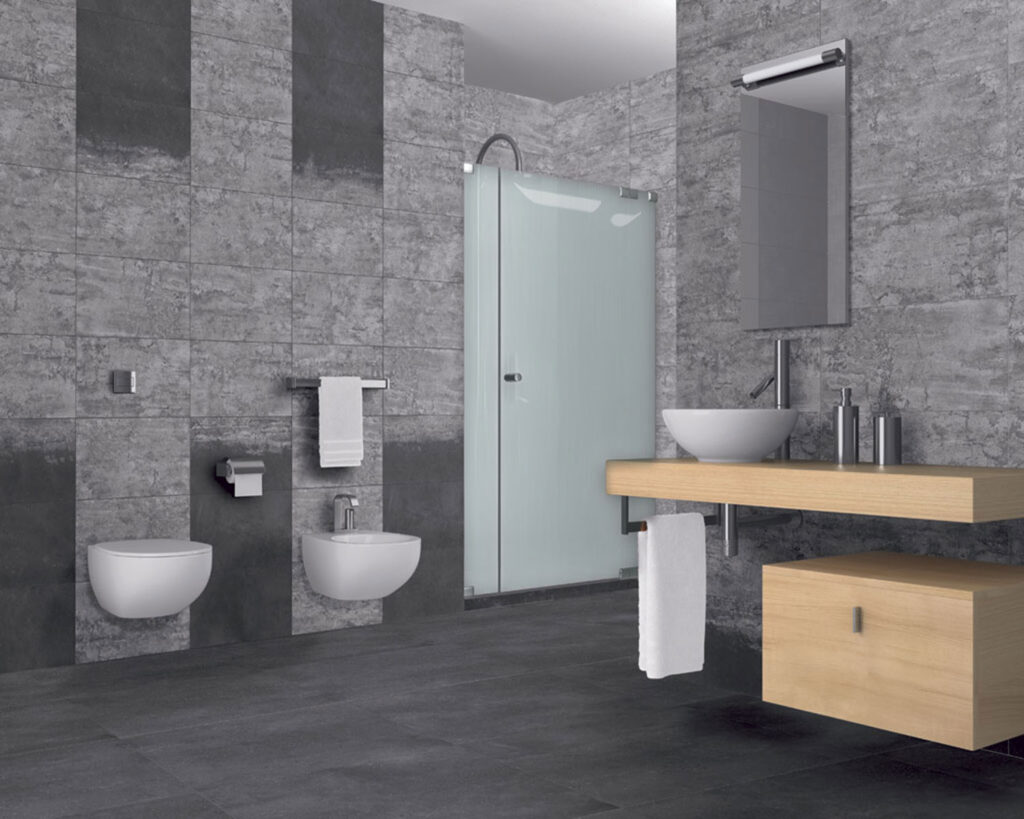
By looking at the bathroom as a complete space, you can plan improvements that support both everyday use and the condition of the room. This creates a more practical approach to bathroom renovations in Melbourne, whether the project involves a selected renewal or a larger renovation. The final plan should reflect the actual needs of the bathroom. It should also balance appearance, functionality, maintenance, and the condition of existing surfaces.